Introduction:
Windows 11, the latest operating system from Microsoft, brings a sleek and modern interface along with enhanced features. Installing Windows 11 can be an exciting but crucial process. Here’s a comprehensive guide to help you navigate through the installation seamlessly.
Before You Begin:
Prior to initiating the installation process, ensure you have backed up all your important data. Additionally, make sure your system meets the minimum requirements for Windows 11, including TPM 2.0, Secure Boot, and compatible hardware. You’ll also need a USB drive with at least 8 GB of space or a DVD to create a bootable installation media.
Step 1: Download Windows 11:
Visit the official Microsoft website to download the Windows 11 Installation Assistant or ISO file. The Installation Assistant will guide you through the process, while the ISO file allows for a manual installation.
Step 2: Create Installation Media:
If you downloaded the Installation Assistant, run the tool and follow the on-screen instructions to create a bootable USB drive. If you obtained an ISO file, you can use third-party software like Rufus to create the bootable USB drive.
Step 3: BIOS/UEFI Settings:
![Windows 11 BIOS Settings [Enable TPM 2.0, Secure Boot, UEFI]](https://newscutzy.com/wp-content/uploads/2021/06/Enable-Secure-boot-on-Lenevo.jpg)
Insert the bootable USB drive or DVD into your computer. Restart the computer and access the BIOS/UEFI settings by pressing the designated key during startup (often F2, F10, F12, or Del). Set the boot priority to the USB drive or DVD.
Step 4: Start the Installation Process:
Once the bootable media is recognized, your computer will start loading Windows 11 Setup. Select your language, time, currency, and keyboard preferences, then click ‘Next.’ Click ‘Install Now’ to proceed.
Step 5: Enter Product Key:
Enter your Windows 11 product key when prompted. If you’re upgrading from Windows 10 and have a digital license, you might not need to enter a key.
Step 6: Choose Installation Type:
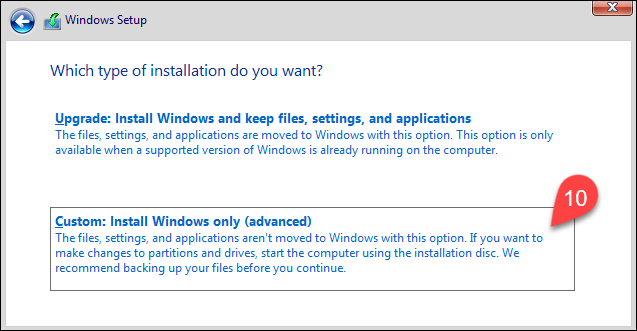
Select the type of installation you want: ‘Upgrade’ if you’re upgrading from Windows 10 or ‘Custom’ for a clean installation. Choose the partition where you want to install Windows 11 or create new partitions if needed.
Step 7: Install Windows:
Follow the on-screen instructions to complete the installation. Windows will copy files, install features, and update settings. Your computer will restart several times during this process. Allow time for this process to complete.
Step 8: Set Up Windows:
After installation is complete, you’ll be prompted to personalize your settings. Set preferences for region, language, account settings, and more. Additionally, customize features like Windows Hello, Cortana, and system theme.
Step 9: Install Drivers and Updates:
After Windows 11 is installed, install necessary drivers for your hardware. Visit the manufacturer’s website to download and install drivers for your graphics card, sound card, chipset, and other components. Also, run Windows Update to ensure your system is up-to-date.
Step 10: Enjoy Windows 11:

Congratulations! You’ve successfully installed Windows 11 on your computer. Explore its new interface, enhanced features, and productivity tools.
Conclusion:
Installing Windows 11 might seem complex, but following these step-by-step instructions can simplify the process. Remember to back up your data, ensure hardware compatibility, and pay attention to each step for a smooth installation experience.
This guide should assist you in installing Windows 11 efficiently. If you encounter any issues or have specific questions about any step, feel free to ask for further assistance!